5 Signs Your Solar System May Need a Professional Checkup
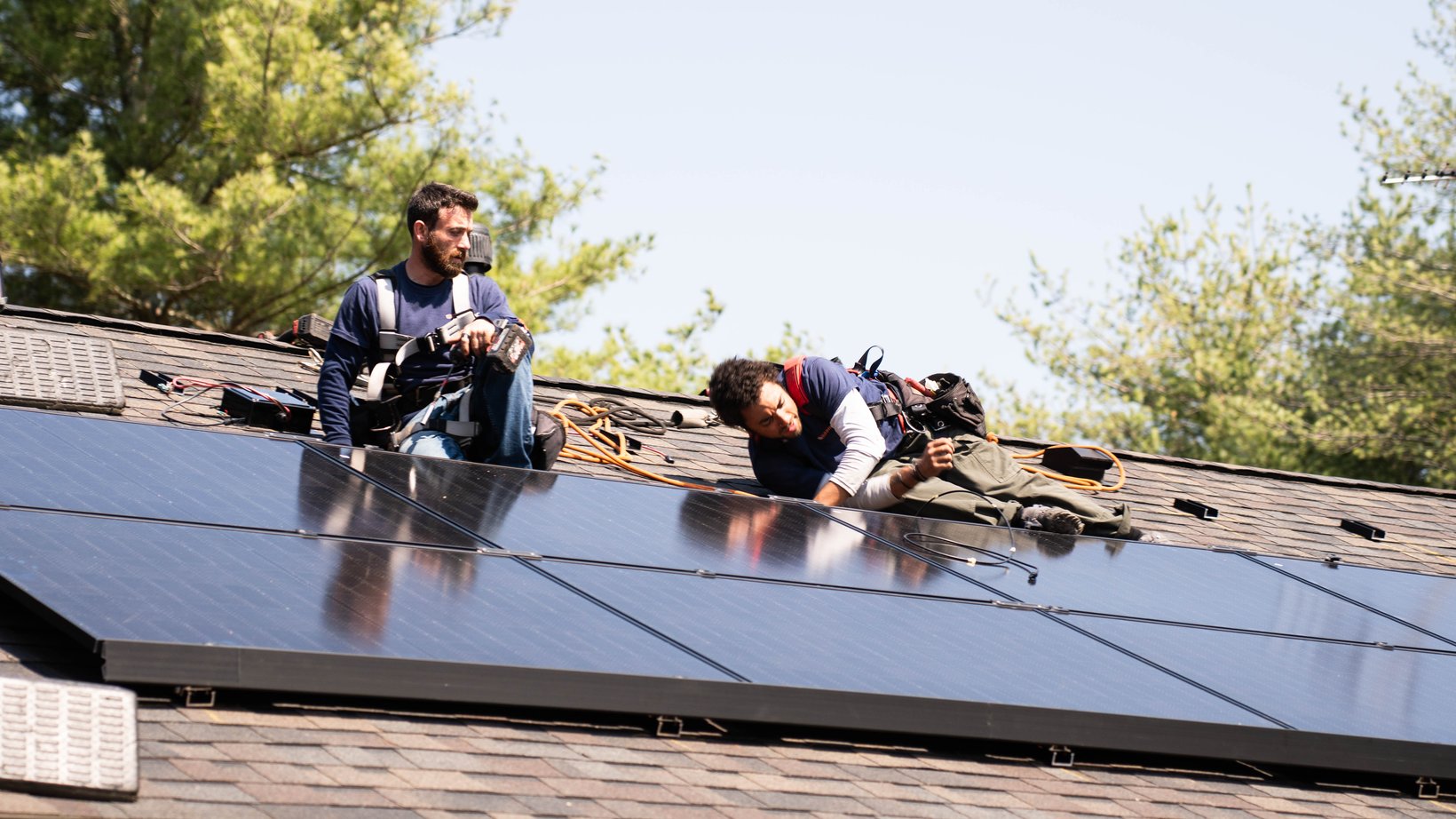
Your solar system may be producing electricity, but is it performing the way it should? A change in output, a recurring equipment warning, or something unusual around your panels can leave you wondering whether it is time to call a technician.
A professional solar checkup may be needed when you notice
- A sustained production decline
- Electric bills that do not match your system’s performance
- Repeated inverter alerts
- Visible equipment damage
- Animal activity beneath the panel
In our previous article, we covered what happens when your solar company goes out of business. This follow-up looks at the signs that deserve a closer look and how SunnyMac’s technicians can help investigate them.
When Is a Change in Solar Performance a Concern?
The most useful clue is a change that persists or keeps returning. One unusual day gives you limited information. A repeated pattern, especially when supported by an alert or a visible problem, gives a technician something more specific to investigate.
You do not need to identify the faulty component before contacting SunnyMac. Describing what changed, when it started, and whether it happens consistently helps our team understand the concern.
1 Your Production Stays Below Its Usual Pattern
Look beyond a single daily total. If several otherwise comparable days show noticeably less energy than your system normally produces, the pattern may deserve a professional review.
For example, a system that repeatedly stops producing during part of the day raises a different question than one that produces less throughout a cloudy week. A production graph can help show when the change occurs, even when the monthly total makes it less obvious.
SunnyMac’s technicians can use those patterns as a starting point to investigate whether the concern involves equipment performance, shading, or another condition. A drop alone does not identify the cause.
2 Your Bills and Production Reports Tell Different Stories
If your bill seems unusually high, compare the dates on the utility statement with the same dates in your production report. A calendar month in an app may not match the utility’s billing period.
Also distinguish total solar production from electricity sent to the grid. Your home can use some solar electricity as it is generated, so the amount exported to the utility may be lower than the system’s total output. Those figures are not expected to match exactly.
When the numbers still do not make sense, SunnyMac can help investigate the solar performance side of the question. Your utility can explain how meter readings and credits appear on the bill. This helps narrow down whether you need equipment service or a billing explanation.
3 The Same Inverter Warning Keeps Returning
A recurring warning deserves more attention than a message that clears and does not return. Note whether the alert appears at a particular time, affects the entire system, or involves one device.
The inverter converts the electricity generated by your panels into electricity your home can use. A repeated fault can therefore be relevant even when other parts of the system continue producing.
Give SunnyMac the exact wording of the alert rather than a general description such as “the app is red.” Our technicians can assess what that message means for your equipment and whether further testing is appropriate. Avoid repeatedly resetting equipment to clear a warning without understanding its cause.
4 Something Looks Different After a Storm or Roof Work
A panel that appears cracked, equipment that looks displaced, or a cable hanging where it was not visible before warrants professional attention. New water staining inside the home near the array also deserves investigation, although its location does not establish the source of a leak.
Tell SunnyMac whether the change appeared after strong winds, an impact, or work near the system. That timing can help guide an inspection without assuming what caused the problem.
Observe from the ground and leave rooftop access and equipment handling to professionals. If you see smoke or sparking, keep away and call 911 if there is a fire or immediate danger.
5 You Notice Repeated Animal Activity Beneath the Panels
Birds or squirrels repeatedly entering the same space beneath your panels, scratching sounds, or nesting material visible along the array can be reasons to request an inspection. You do not need to wait for an obvious production problem to raise the concern.
Activity near an array does not prove that wiring or equipment has been damaged. An inspection can help establish whether animals are accessing the area and whether any system components need attention.
SunnyMac can evaluate the concern and discuss appropriate pest abatement or critter guard options. Avoid reaching beneath the panels or pulling out material yourself, where wiring and other components may be concealed.
What Can SunnyMac Technicians Check?
A solar checkup should address the symptom you are experiencing. For a production concern, the review may involve performance trends and equipment status. For visible damage or animal activity, an on-site inspection may be needed to assess the affected area.
Our technicians can explain what the available information shows, what still needs to be checked, and what work they recommend. The goal is to identify the cause before choosing a repair or maintenance service.
Schedule a Solar Checkup With SunnyMac
If one of these signs sounds familiar, contact SunnyMac to discuss what you are noticing. You do not have to wait until the entire system stops producing to ask for a professional evaluation.
Call 302-397-3398 or request a solar system checkup below.
Request a solar system checkup
Frequently Asked Questions
Should I Schedule Service After One Day of Low Production?
One low day alone is usually not enough to establish a problem. Look for a continuing pattern or an accompanying warning. Visible damage or an electrical safety concern deserves prompt attention regardless of the production total.
Should Every Solar Panel Produce the Same Amount?
Not necessarily. Panels on different roof slopes or with different shading can produce different amounts. A new, persistent change in one panel’s output compared with its own usual pattern is more useful to investigate than expecting every panel to match.
Will Cleaning Fix Low Solar Production?
Only if buildup is contributing to the issue. Cleaning will not correct an inverter fault, damaged wiring, or another equipment problem. Have the cause evaluated before choosing a service.
Do I Need a Solar Inspection After Every Storm?
Not every storm requires a service visit. New visible damage, displaced equipment, recurring warnings, or an unexplained performance change after a storm are reasons to contact a professional.
Recognizing a change is the first step. SunnyMac’s technicians can help you understand what it means for your system and what attention it may need.